
SPACECOM’s FY27 spending boost wish list? Empty.
US Space Command's plan to ask for no additional FY27 funds follows a similar move by US Indo-Pacific Command.
US Space Command's plan to ask for no additional FY27 funds follows a similar move by US Indo-Pacific Command.
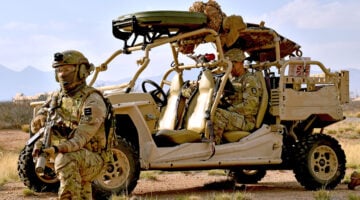
The Army's emphasis currently is "on the counterspace piece for space control, electronic warfare, really doing counter-communications," said Brig. Gen. Donald Brooks, deputy commanding general for operations at Army Space and Missile Defense Command.

As threats continue to evolve, speed will increasingly depend on what is already available when the need emerges.
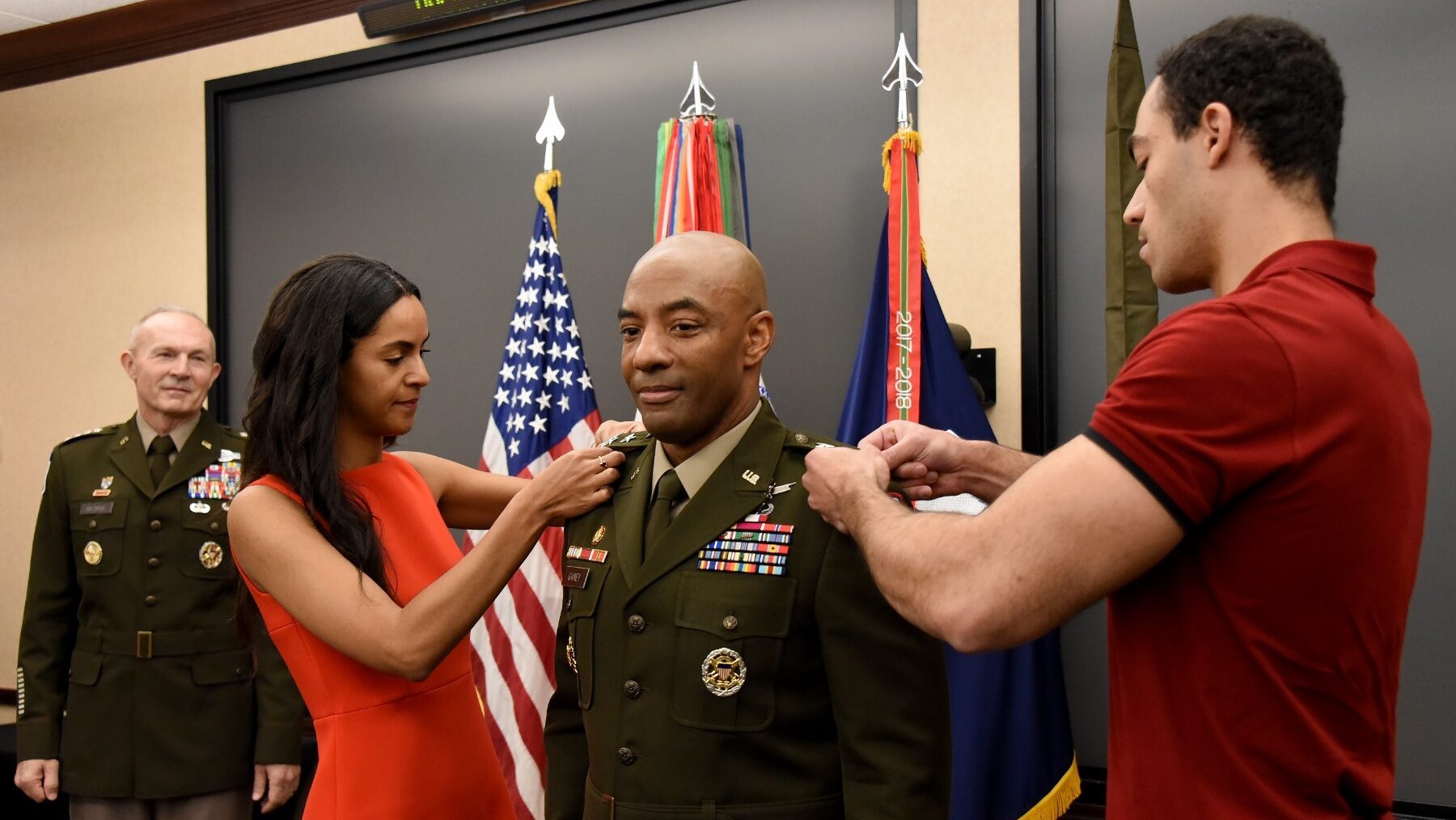
"As we look out into 2030, we know from all the Army warfighting concepts that we have to grow space capability, and we have to grow air defense missiles," SMD Commander Lt. Gen. Sean Gainey said.

The Joint Fires Network, meant to match weapons to targets across a theater of war, is a crucial pillar of the Pentagon's nascent global command system, CJADC2.

“So this is kind of walking us back towards this model that we had during the Cold War, where we know each other, we train together, we're building the team in peacetime and in preparation for deployment,” a senior Air Force official said.
Retired Army officer John D. Rosenberger argues in this op-ed that the INDOPACOM chief should become the lead for the Pentagon's CJADC2 efforts, with an eye towards what is needed to counter China.


Lithium-metal batteries are one way to break the weight and endurance limits of today’s unmanned systems.

US Indo-Pacific Command’s $11 billion unfunded priority list includes 44 programs, from missiles to maritime mines.

Which specific systems have been selected haven't been publicly announced, a “very deliberate” strategy from the Pentagon, Navy Capt. Alex Campbell, director of the Defense Innovation Unit’s (DIU) maritime portfolio, said today.

Lars Hoffman, Blue Origin's vice president of national security sales, said that a viable commercial market for space mobility and logistics "doesn't exist right now."


Integrating C2 solutions on more assets ensures that operators share a common operating picture they can act on based on verified, secure intelligence.

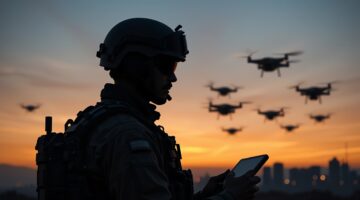
Decentralized Embodied Collaborative intelligence enables better reconnaissance, logistics and combat capabilities.

"We truly have demonstrated that the vision of JADC2 and the vision of the Joint Fires Network is a reality and we can do it," SDA Director Derek Tournear told Breaking Defense.

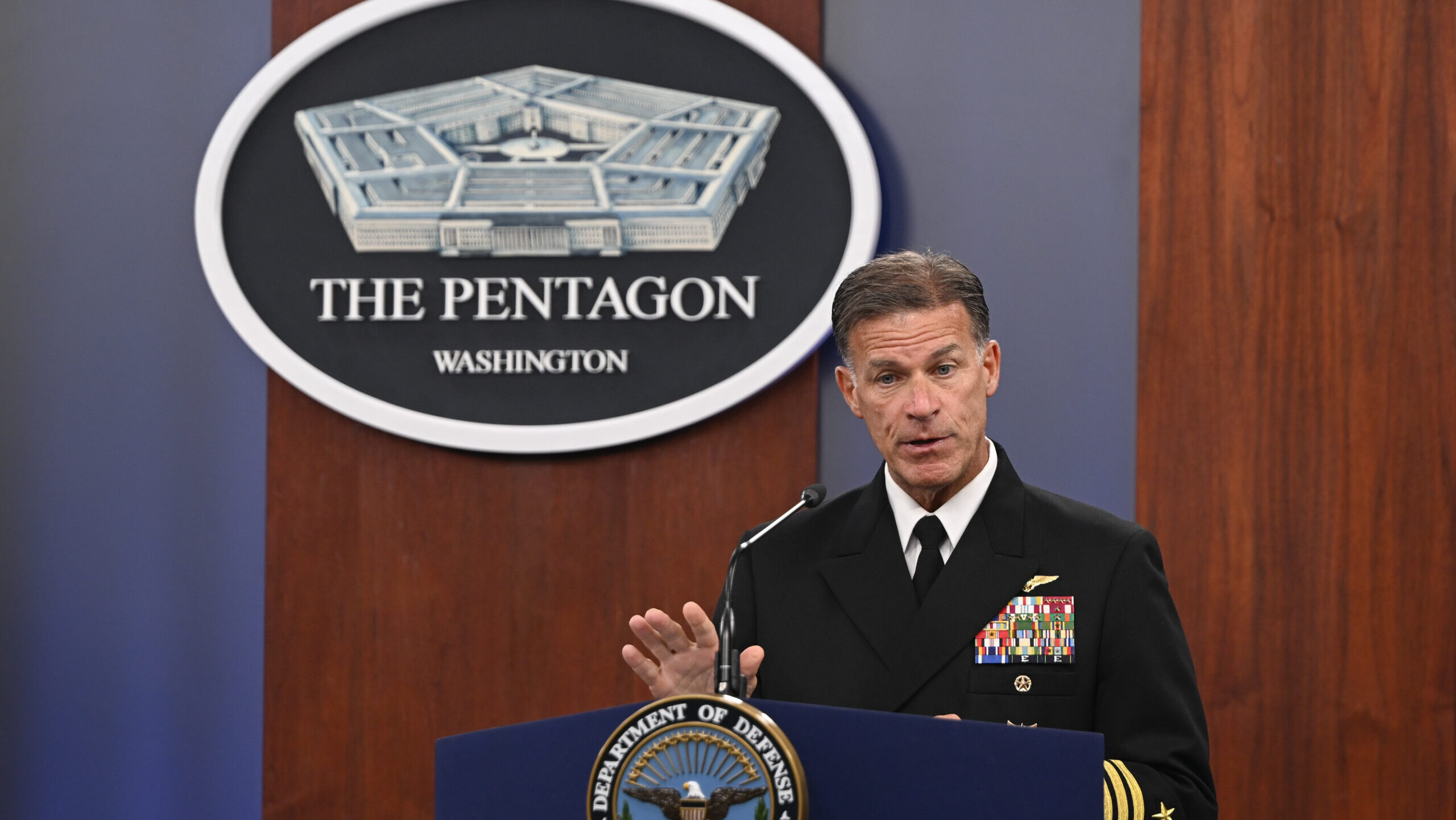
China wants "to create tense, uncomfortable situations in the hope that US and partner forces will vacate the space that every force has a right to be in," Pacific Fleet Commander Adm. Samuel Paparo said.

Collins Aerospace and Raytheon successfully demonstrated a suite of sensing and networking technologies that are foundational to Combined Joint All Domain Command and Control.
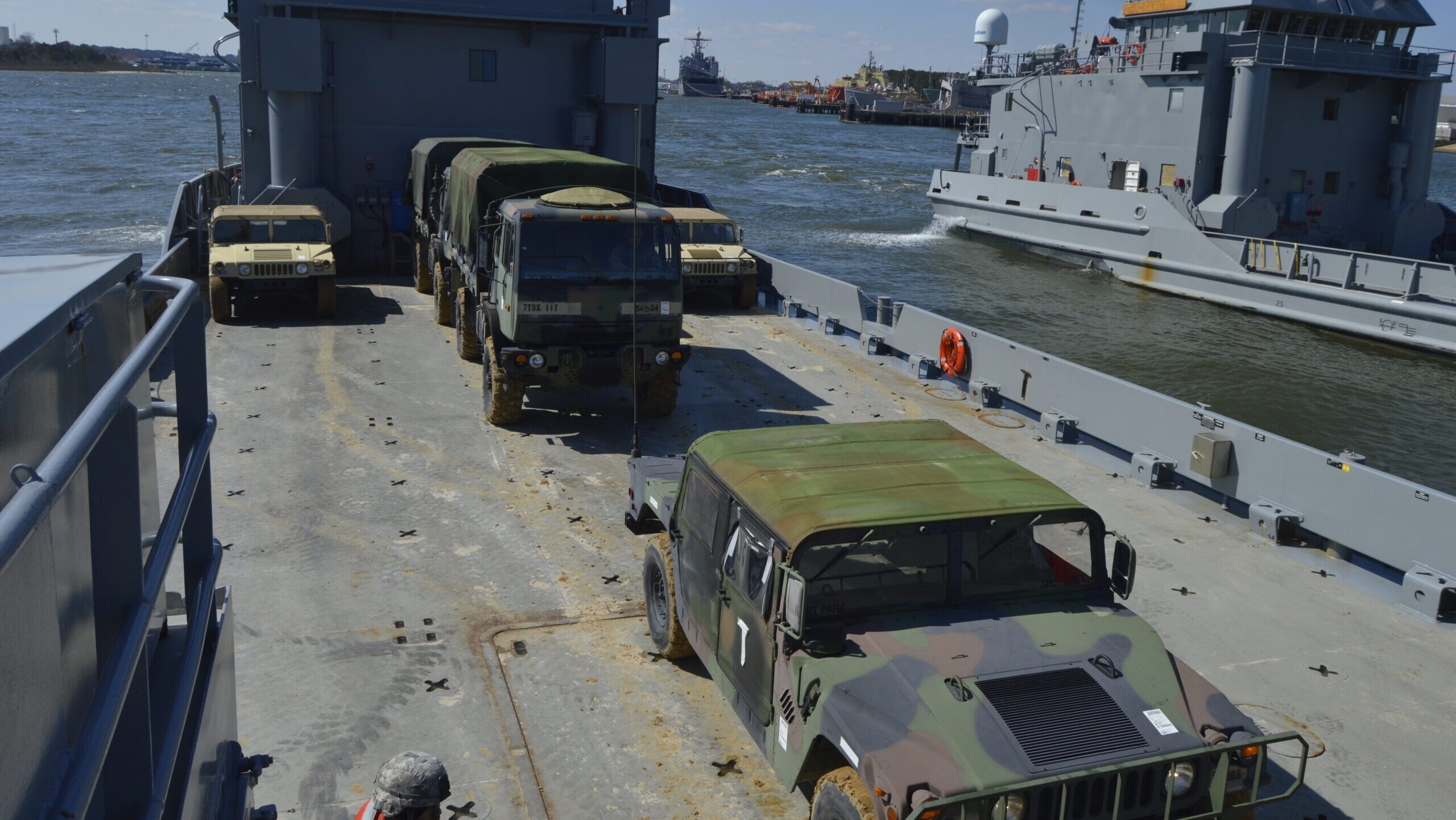
"While many of us may typically think of maritime operations as maybe more of the domain of the Navy or the Marine Corps, it's really the Army that is charged with moving our troops or equipment or supplies across the land-water interface in order to enable early theater entry as well as support and sustain DoD operations," said senior researcher Kate Brodie.